📝 2941 words | ⏱️ 16 min read | 🗓️ Updated: May 12, 2026 | 👤 MaxSao
The Evolution of Gamer Culture – From Arcades to the Digital Identity of 2026
✨A deep cinematic exploration of how gamers shaped modern entertainment, technology, lifestyle, and global culture.
Gaming is no longer a niche hobby. It is a global cultural force – a living ecosystem of communities, identities, rituals, aesthetics, and shared experiences. From neon‑lit arcades of the ’80s to today’s hyper-connected digital worlds, gamer culture has evolved into one of the most influential movements of modern entertainment.
In 2026, being a gamer is not just about playing games. It’s about belonging, expression, competition, creativity, and the merging of virtual and real‑world identities.
This article explores the origins, psychology, lifestyle, and future of gamer culture – a cinematic journey through the heart of modern digital life.

Subscribe for Gaming Updates & New Releases !!
Stay up to date with the latest game reviews, fresh releases, and curated recommendations delivered straight to your inbox.
No spam, just clean, structured gaming content.. Unsubscribe at any time.

What Defines a Gamer in 2026
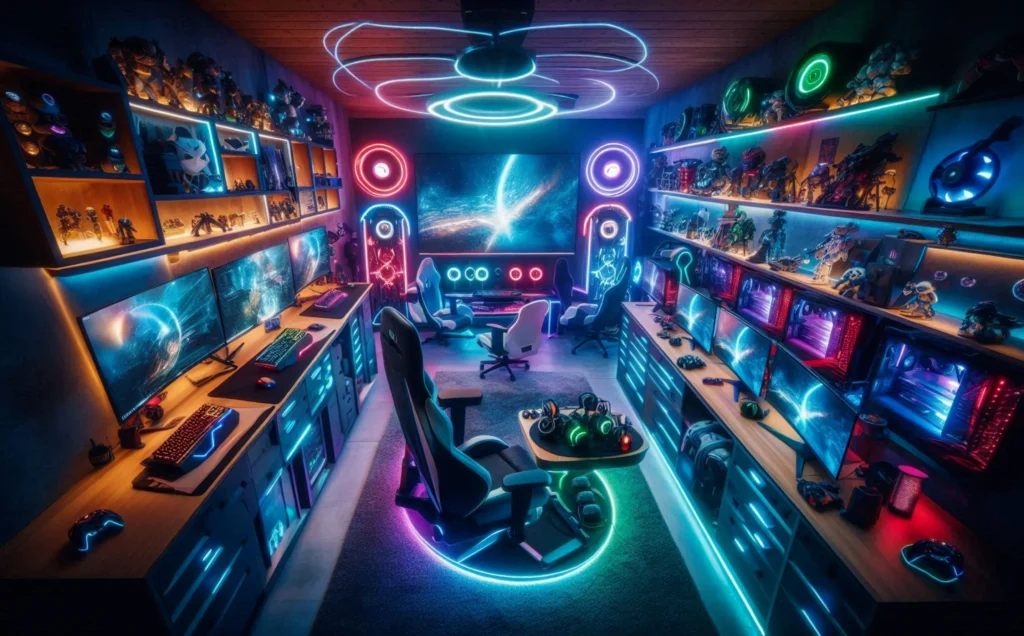
The definition of a gamer has expanded dramatically. In 2026, a gamer can be:
- a competitive esports athlete
- a casual mobile player
- a narrative‑driven story explorer
- a social gamer who plays for connection
- a creator who streams, edits, or builds content
- a collector of digital items, skins, and cosmetics
Gaming is no longer a single activity – it’s a multiverse of identities

A Brief History of Gamer Culture (1980 → 2026)
Arcade Era (1980-1990)
Gaming was physical, loud, competitive. Arcades were social hubs where players gathered around cabinets like Pac-Man, Donkey Kong, and Street Fighter.
Home Console Revolution (1990-2005)
Nintendo, Sega, PlayStation, and Xbox transformed gaming into a living-room experience.
LAN parties, memory cards, cheat codes – the golden age of discovery.
Online Multiplayer Era (2005-2015)
Broadband internet changed everything.
MMOs, FPS clans, voice chat, early esports – the rise of global communities.
Streaming & Creator Era (2015-2020)
Twitch, YouTube, Discord.
Gamers became entertainers, influencers, and cultural icons.
Metaverse & Hybrid Identity Era (2020-2026)
Gaming merges with lifestyle, fashion, food, music, and social identity.
Gamers shape trends, not just follow them.

Types of Gamers in Modern Culture
1. The Competitive Gamer
Driven by mastery, ranked ladders, and esports ambition.
2. The Narrative Explorer
Loves cinematic storytelling, emotional journeys, and immersive worlds.
3. The Social Gamer
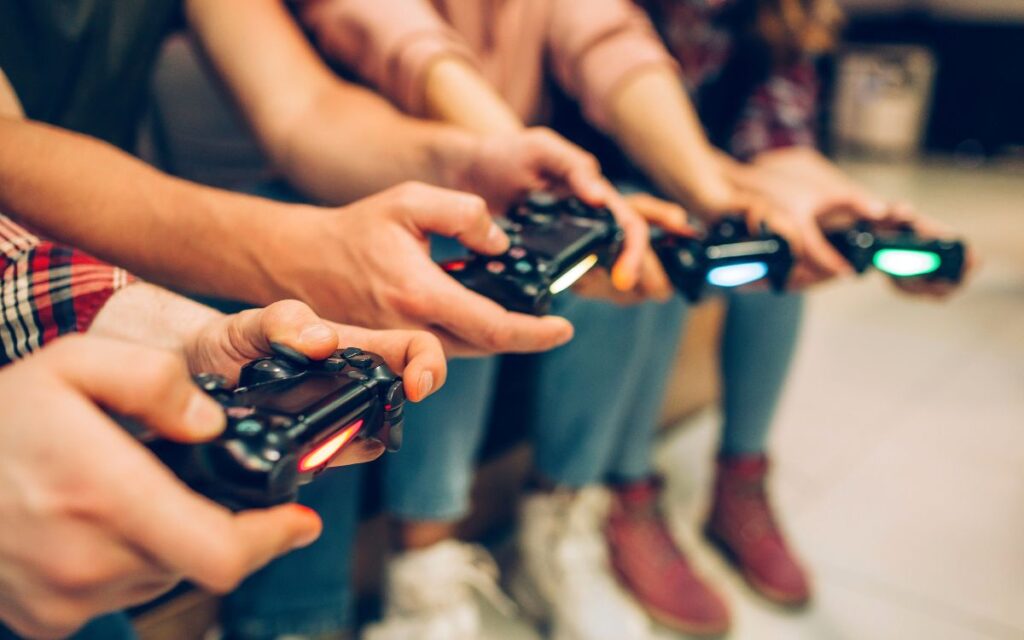
Plays for connection – co-op, party games, online hangouts.
4. The Collector
Skins, achievements, cosmetics, badges – identity through customization.
5. The Hybrid Gamer
The most common in 2026: mixes genres, platforms, and motivations.
The Psychology of Gaming
Gaming taps into core human needs:
- Competence – improving skills
- Autonomy – freedom to choose paths
- Relatedness – connecting with others
- Escapism – stepping into new worlds
- Identity – expressing who you are
This is why gamer culture is so powerful: it satisfies emotional, social, and cognitive needs simultaneously.
Gaming Communities & Digital Identity
Discord servers, guilds, clans, subreddits – these are the modern tribes.
Gamers build friendships, rivalries, and memories that last years.
In 2026, your digital identity (skins, avatars, badges) is as meaningful as your real-world style.
The Gamer Lifestyle (Food, Fashion, Tech)
Food
Energy drinks, fast-food collabs, limited-edition menus (like McDonald’s Pro Gamer Menu).
Fashion
Streetwear, neon accents, esports jerseys, RGB-inspired aesthetics.
Tech
Mechanical keyboards, ultra-wide monitors, VR headsets, custom PCs – the tools of the modern gamer.
Gaming is no longer just entertainment – it’s a lifestyle ecosystem.

Esports & Professionalization
Esports is now a billion-dollar industry.
Players train like athletes, teams have coaches, analysts, nutritionists.
Tournaments fill arenas.
Gamers are celebrities.
The line between sports and esports has blurred.


Brands Shaping Gamer Culture
Razer, Logitech, Xbox, PlayStation, Nvidia, McDonald’s, Red Bull – all contribute to the identity of modern gaming.
Collaborations between gaming and mainstream brands are now the norm.
The Future of Gamer Culture
By 2030, gaming will merge even deeper with:
- AI-driven worlds
- hyper-realistic VR
- digital fashion
- virtual concerts
- creator-driven economies
Gamers will continue to shape global culture – not from the sidelines, but from the center.

★ Video Game Cultures: The Evolution of Gaming ★

Conclusion
Gamer culture is a living, evolving force.
It is creativity, competition, community, and identity.
From arcades to esports arenas, from pixel art to photorealistic worlds, gaming has become one of the most influential cultural movements of the modern era
And in 2026, being a gamer is not just a hobby – it’s a way of life.
Additional Perspectives on Gamer Culture (2026 Update)
The Social Impact of Gaming in 2026
Gaming in 2026 has evolved far beyond entertainment, becoming a powerful social engine that shapes how people communicate, collaborate, and build relationships. Modern gamers form communities that transcend geography, age, and background, creating digital spaces where identity and belonging thrive. Whether through Discord servers, co-op sessions, or competitive arenas, gaming has become one of the most effective tools for social connection in an increasingly fragmented world.
For many, games serve as a safe environment to express themselves, experiment with identity, and develop confidence. Cooperative gameplay encourages teamwork, leadership, and problem-solving, while competitive modes foster discipline, resilience, and strategic thinking. These skills often translate into real‑world benefits, influencing careers, friendships, and personal growth.
Gaming also bridges generations. Parents play with children, adults reconnect with childhood friends, and seniors use games to stay mentally active. In 2026, gaming is not just a hobby – it is a shared cultural language that unites people across borders and lifestyles.
As digital identity becomes more important, gaming stands at the center of modern social life, shaping how we interact, communicate, and build meaningful connections in a hybrid physical-digital world.
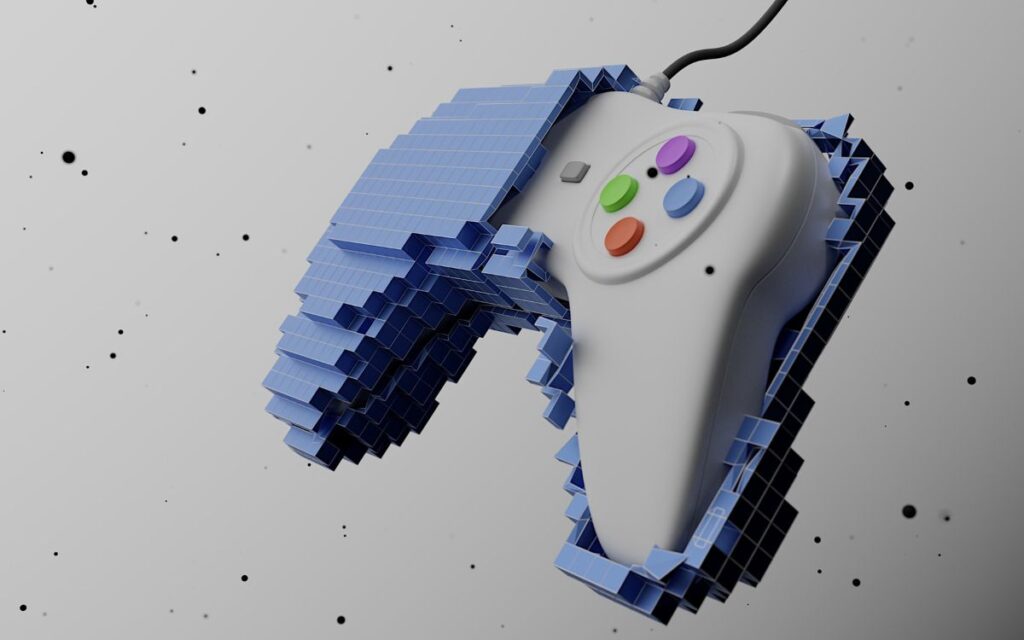

Gaming as a Creative and Educational Force
Gaming in 2026 has become one of the most influential creative and educational tools of the modern era. Far from being a passive activity, games now encourage players to think critically, solve complex problems, and engage with interactive storytelling on a deeper level. Many modern titles function as digital sandboxes where players experiment with design, architecture, coding, and narrative creation – skills that translate directly into real‑world careers.
Educational institutions increasingly integrate gaming into learning environments. Strategy games teach resource management and planning, puzzle games enhance cognitive flexibility, and simulation titles introduce players to fields like engineering, medicine, and economics. VR and AR technologies push this even further, transforming classrooms into immersive learning spaces where students can explore historical events, scientific concepts, or creative worlds firsthand.
Gaming also fuels creativity. Players become creators through modding, streaming, video editing, and digital art. Entire industries have emerged around user‑generated content, empowering gamers to build careers as designers, storytellers, and influencers.
In 2026, gaming is no longer just entertainment – it is a catalyst for innovation, education, and creative expression, shaping the next generation of thinkers and creators.

Latest Posts
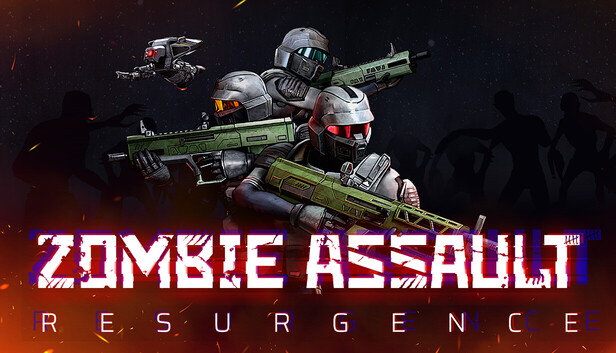
Zombie Assault: Resurgence
Call of Duty®: Modern Warfare® 4 Review – Warfare Without Limits
PAPERHEAD
Castlevania: Belmont’s Curse
PlayStation 6: Release Date, Price Predictions, Specs and Everything We Know So Far
Tenebris Somnia
WARDOGS