📝 2722 words | ⏱️ 14 min read | 🗓️ October 22, 2026 | 👤 MaxSao
Tenebris Somnia Review: A Nightmare Where Retro Horror Meets Live-Action Terror
💥A chilling survival horror experience that combines classic pixel-art gameplay, terrifying creatures, cinematic storytelling, and live-action sequences unlike anything else in modern horror gaming.
What if your nightmares were not dreams at all? Tenebris Somnia drags players into a disturbing psychological horror tale where retro survival horror, unsettling mysteries, and live-action cinematics collide to create one of the most unique horror experiences of 2026.
Intro
The survival horror genre has experienced a major revival in recent years, but very few games dare to experiment with the formula as boldly as Tenebris Somnia. Developed by Andrés Borghi and Saibot Studios and published by New Blood Interactive, the game blends old-school pixel-art exploration with fully live-action cinematic sequences produced by an award-winning Argentine film crew.
Released on October 16, 2026, Tenebris Somnia immediately caught the attention of horror fans thanks to its unusual presentation and strong inspiration from classic survival horror masterpieces such as Silent Hill and Resident Evil.
Rather than simply relying on jump scares, the game focuses on atmosphere, tension, psychological unease, and mystery. The result is a horror adventure that feels both nostalgic and innovative at the same time.
Gameplay

Subscribe for Gaming Updates & New Releases !!
Stay up to date with the latest game reviews, fresh releases, and curated recommendations delivered straight to your inbox.
No spam, just clean, structured gaming content.. Unsubscribe at any time.

[ Story Overview ]
At the center of the story is Julia, a woman haunted by a disturbing nightmare involving her ex-boyfriend. When she awakens, she cannot shake the feeling that something is terribly wrong. Instead of dismissing the dream, she decides to visit her former partner’s apartment in order to reassure herself that everything is fine.
However, what begins as a simple visit quickly spirals into a terrifying nightmare. Strange creatures emerge, bizarre events unfold, and reality itself appears increasingly unstable. As Julia investigates the mysterious events around her, she finds herself trapped between terrifying visions and an even darker truth hidden beneath the surface.
The narrative gradually reveals itself through exploration, environmental storytelling, puzzles, and the game’s signature live-action cinematic scenes.
[ World & Atmosphere ]
Atmosphere is where Tenebris Somnia truly shines.
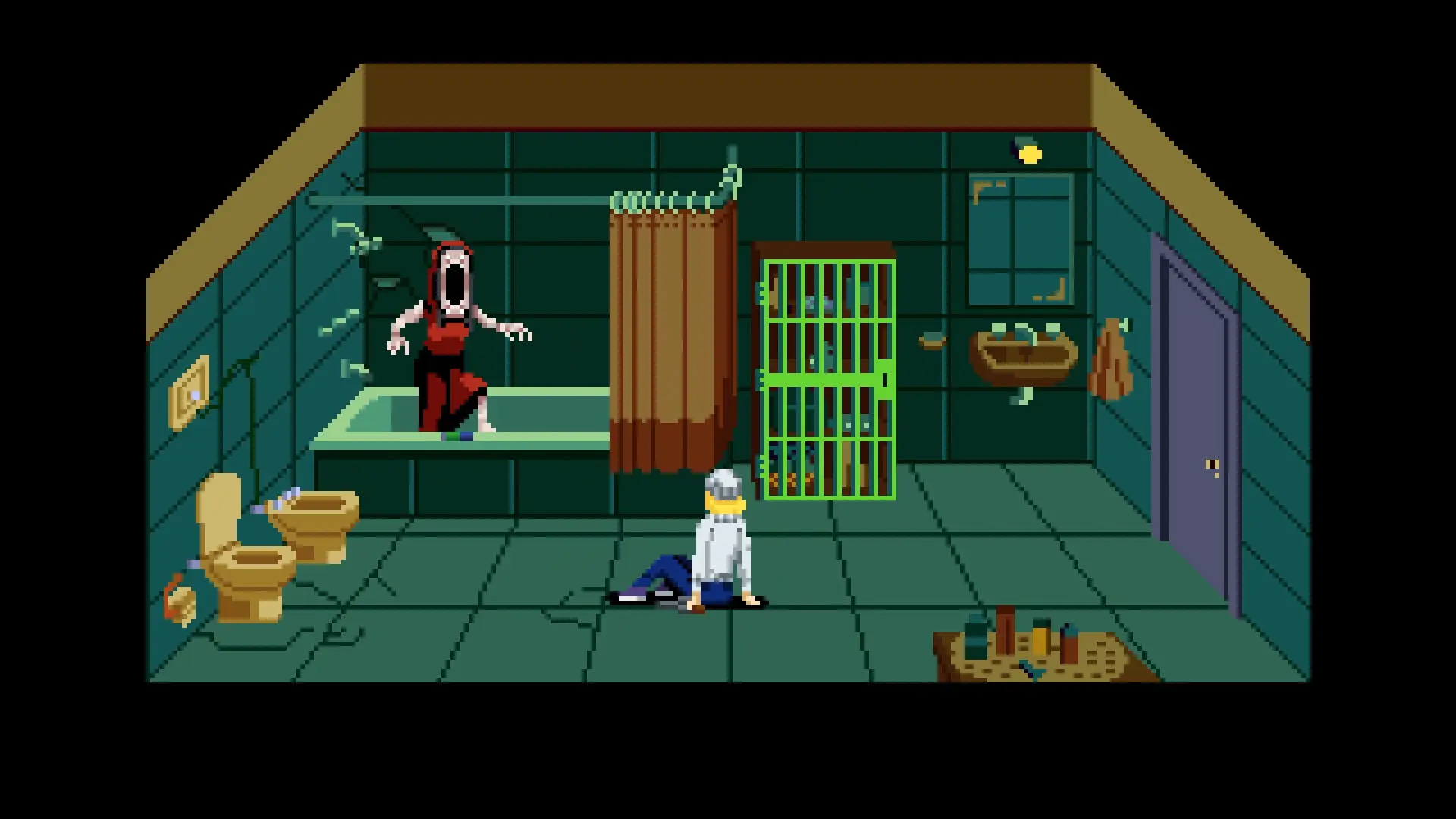
The game’s environments evoke the feeling of classic 1990s horror adventures while maintaining their own personality. Abandoned buildings, dimly lit corridors, eerie apartments, hidden laboratories, and nightmare-inspired locations constantly keep players on edge.
The retro visual presentation initially creates a sense of nostalgia, but as players progress deeper into the story, the familiar pixel-art world becomes increasingly threatening and surreal. The soundtrack further amplifies this tension, creating an almost constant feeling of dread.
What makes the atmosphere especially memorable is the transition between the retro gaming world and the live-action sequences. This sudden change in presentation creates a disturbing sense of unpredictability that few horror games manage to achieve.

[ Gameplay & Features ]
Tenebris Somnia follows the classic survival horror formula while introducing its own innovations.
Players explore environments, collect key items, unlock previously inaccessible areas, solve environmental puzzles, manage resources, and survive encounters with horrific monsters. Inventory management plays an important role, requiring careful decisions regarding healing supplies, ammunition, and puzzle-related items.
The game rewards observation and exploration. Important clues are often hidden within the environment, encouraging players to thoroughly investigate every location.
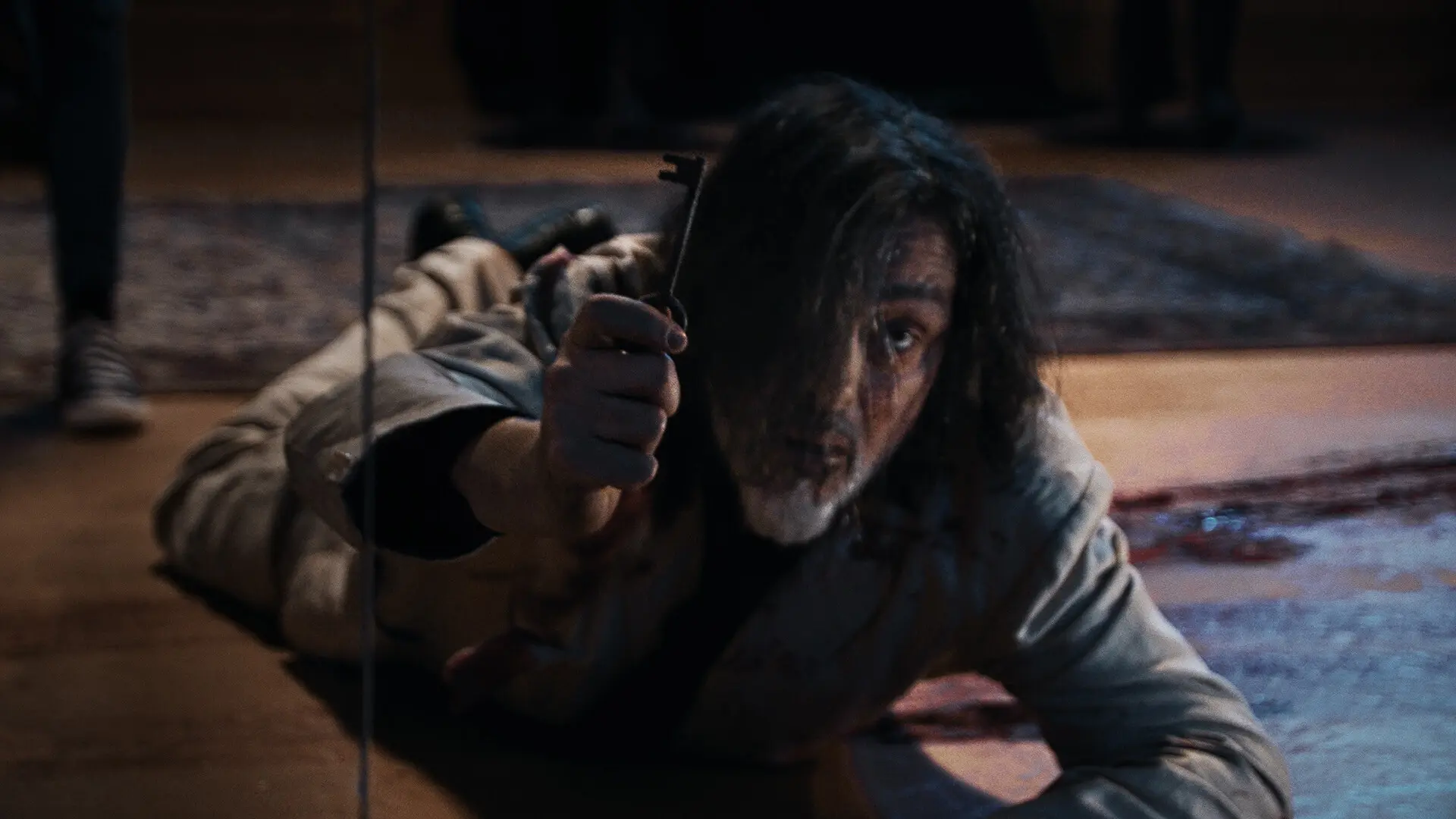
One of the most distinctive features is the integration of live-action cinematics. Rather than serving as simple cutscenes, these sequences actively expand the story, reveal crucial details, and elevate the horror beyond traditional gameplay.
[ Combat System ]
Combat in Tenebris Somnia stays faithful to classic survival horror design principles.
Players must carefully balance offense and defense while facing nightmarish creatures lurking throughout the game world. Resources are intentionally limited, meaning every encounter carries risk and every bullet matters.
Some enemies can be defeated through direct confrontation, while others may encourage avoidance or strategic retreat. This constant pressure contributes significantly to the game’s tension and survival-focused identity.
Rather than prioritizing fast-paced action, the combat system supports the game’s psychological horror atmosphere by making players feel vulnerable and uncertain.
[ Game Modes ]
Tenebris Somnia is primarily designed as a single-player horror experience. The focus remains entirely on narrative immersion, puzzle solving, exploration, and survival.
Players can unlock achievements, explore multiple narrative outcomes, and revisit the game to uncover additional story details and secrets hidden throughout the experience.
The emphasis on replayability comes largely from the story’s mysteries and the various choices players make during their journey.
[ Graphics and Visual Style ]
One of the most fascinating aspects of Tenebris Somnia is its visual direction.
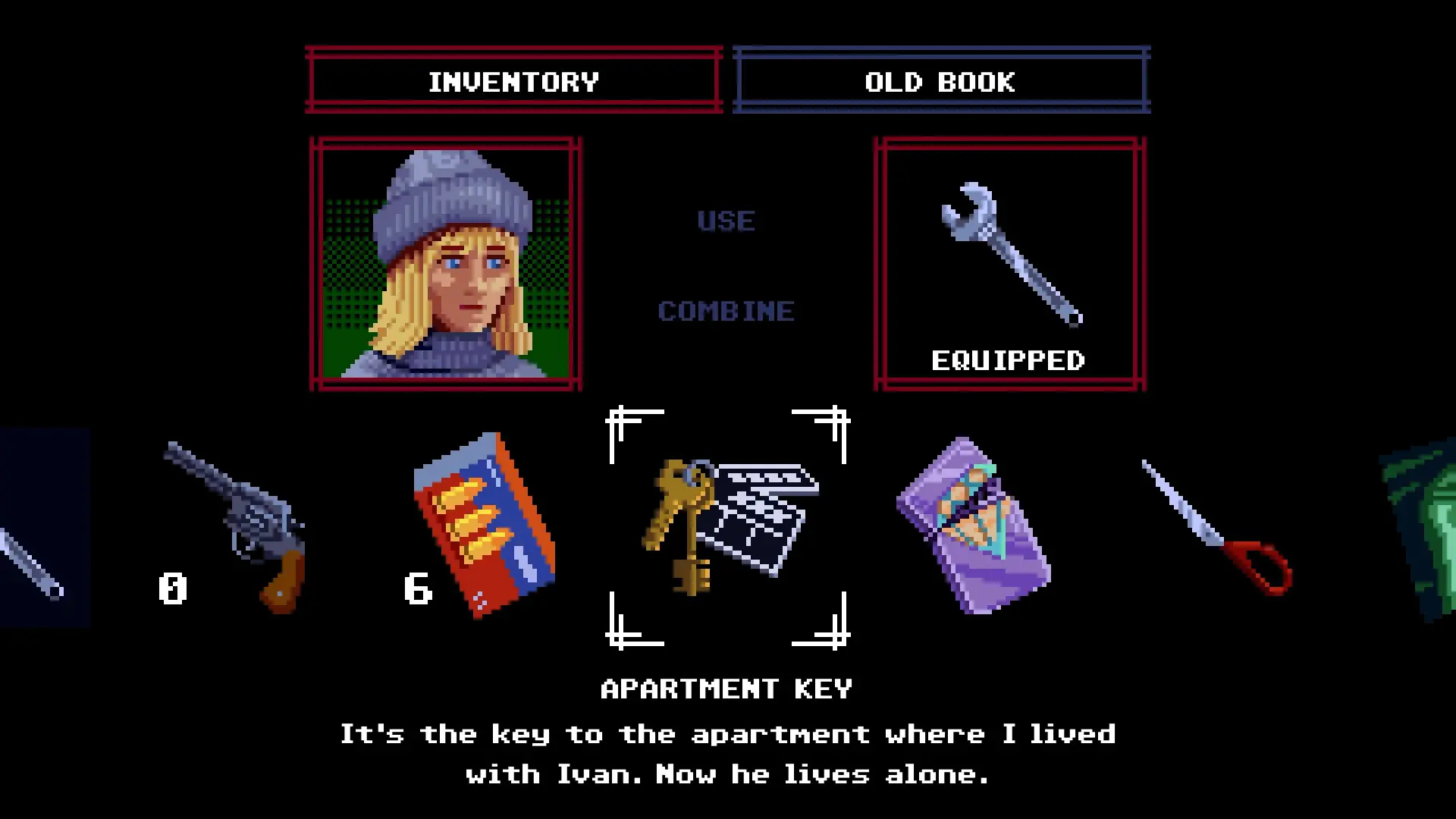
At first glance, the game appears to be a traditional 2D pixel-art survival horror title inspired by 8-bit and 16-bit classics. However, beneath that nostalgic surface lies a surprisingly modern presentation.
The pixel-art environments are rich in atmosphere, using lighting, shadows, and environmental detail to build tension without relying on graphical realism.
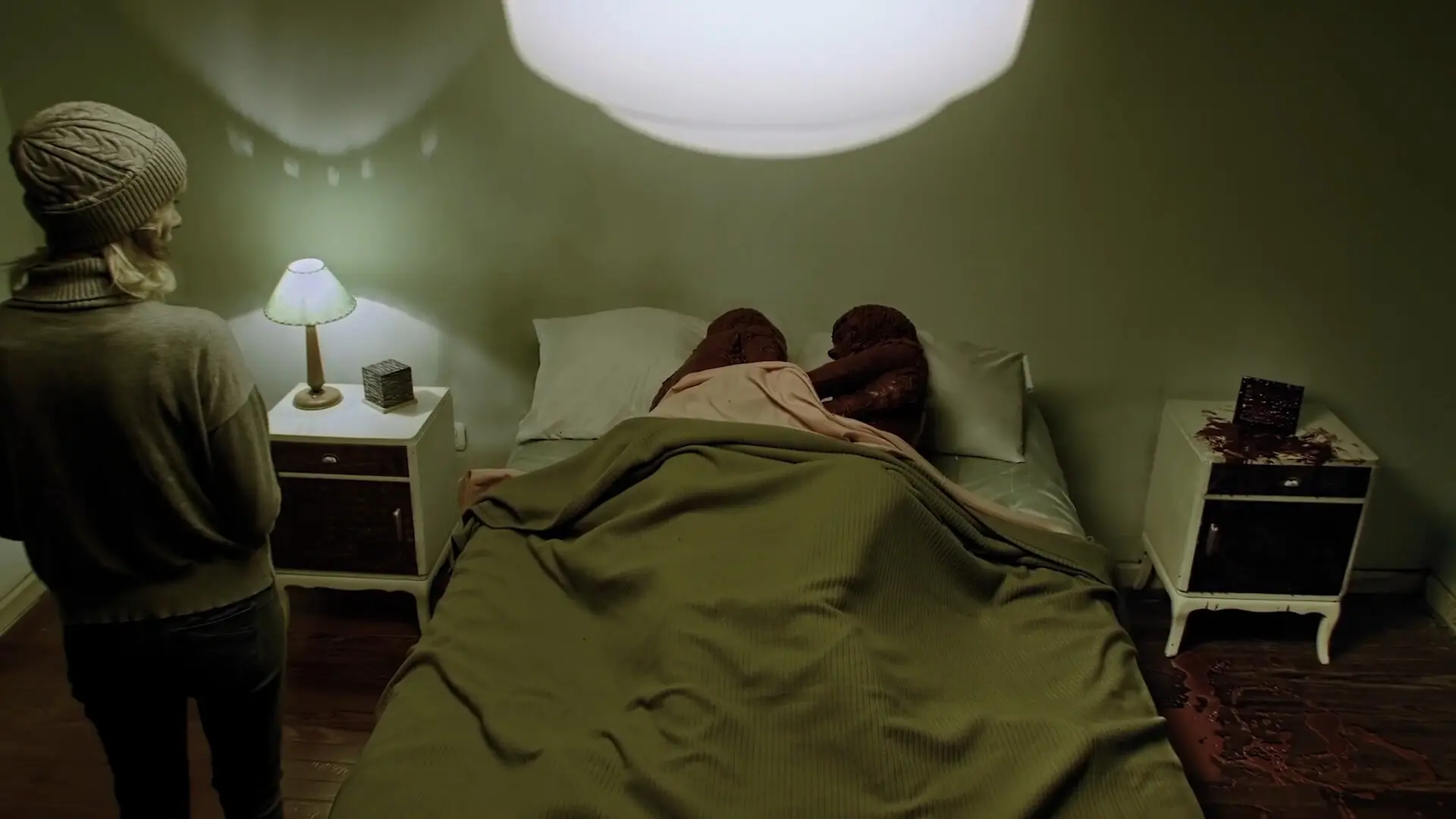
The true visual highlight comes from the live-action sequences. Featuring real actors, practical effects, and professional cinematography, these scenes dramatically alter the tone and pacing of the experience. Rather than feeling disconnected from the gameplay, they complement the story and reinforce the unsettling horror atmosphere.
This unusual combination makes the game stand out in a crowded horror market.

[ Conclusion ]
Tenebris Somnia is one of the most original survival horror releases of 2026. By combining retro-inspired gameplay, classic horror design philosophies, atmospheric storytelling, and professionally produced live-action sequences, it delivers an experience unlike anything currently available.
Fans of Silent Hill, Resident Evil, Clock Tower, and psychological horror in general will find plenty to enjoy here. The game succeeds not because it simply imitates older horror classics, but because it uses those influences as a foundation for something genuinely unique.
For players searching for an unforgettable nightmare filled with mystery, tension, and disturbing revelations, Tenebris Somnia deserves a place near the top of their horror wishlist.
Looking for another intense action experience? Check out our complete coverage of WARDOGS, where tactical combat, military operations, and high-stakes missions offer a completely different but equally thrilling gameplay experience.
[ 🖥️ PC System Requirements ]
| Minimum | Recommended |
|---|---|
| OS: Windows 10 64-bit or later | OS: Windows 11 64-bit |
| CPU: 2.4GHZ Dual Core Processor or higher | CPU: 3.6 GHZ Quad Core Processor or higher |
| Memory: 8 GB RAM | Memory: 16 GB RAM |
| Graphics: 4GB of VRAM or greater | Graphics: 8GB of VRAM or greater |
| Storage: 13 GB | Storage: 13 GB SSD |
[ Platforms ✦ Genre Classification ]
| Platforms | Genre Classification |
|---|---|
| PC (Steam) | Survival Horror |
| PlayStation 5 | Psychological Horror |
| Xbox Series X|S | Adventure |
| Nintendo Switch | Puzzle Adventure |
| Nintendo Switch 2 | Indie Horror |
| GOG | Story-Rich Horror |
| Retro Horror |
[ Developer ✦ Publisher ✦ Release Date ]
| Developer | Publisher | Release Date |
|---|---|---|
| Andrés Borghi and Saibot Studios | New Blood Interactive | October 16, 2026 |




→ Quick answers to common gaming questions.