📝 2379 words | ⏱️ 13 min read | 🗓️ April 12, 2026 | 👤 MaxSao
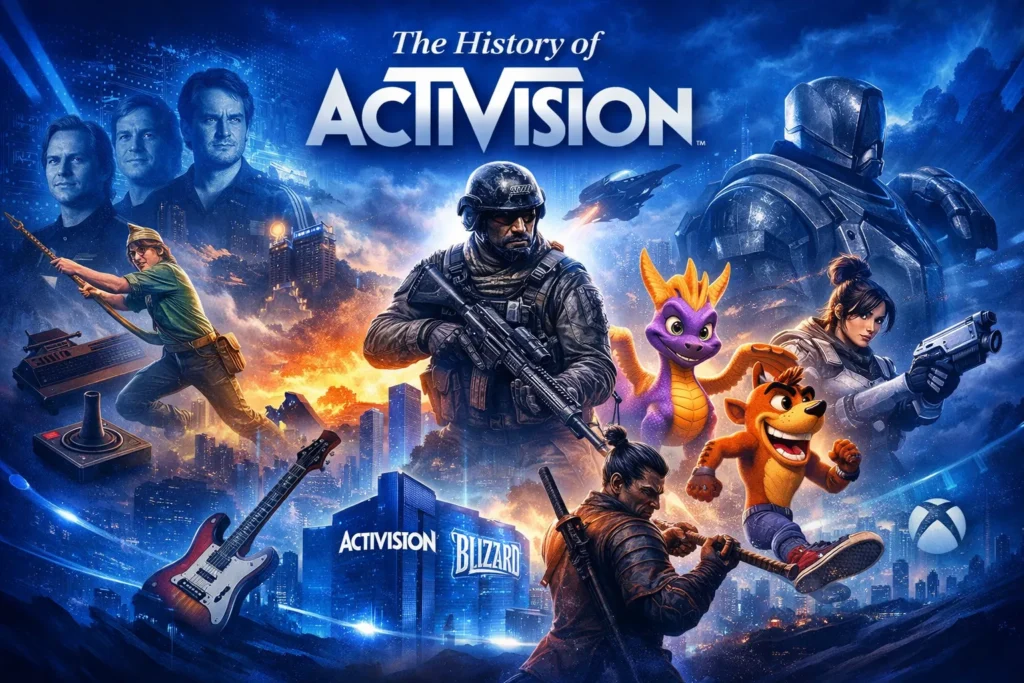
The History of Activision – From the Atari Rebellion to a Modern Gaming Empire
Subscribe for Gaming Updates & New Releases !!
Stay up to date with the latest game reviews, fresh releases, and curated recommendations delivered straight to your inbox.
No spam, just clean, structured gaming content.. Unsubscribe at any time.

1. The Birth of a Revolution (1979)
The story of Activision begins in 1979, at a time when the video game industry was still young and undefined. Atari dominated the market, but inside the company, tension was boiling. Game developers – the people who actually created the products — received no public credit, no royalties, and little respect.
Four of Atari’s top talents – David Crane, Alan Miller, Bob Whitehead, and Larry Kaplan – had enough. They were responsible for some of Atari’s biggest hits, generating millions in revenue, yet they remained anonymous and underpaid.
Their frustration led to the first major creative rebellion in gaming history. The four left Atari and, together with entrepreneur Jim Levy, founded a new company: Computer Arts, Inc., soon renamed Activision – a blend of “Active” and “Television.”
With this move, Activision became the first third‑party video game developer and publisher in history, breaking Atari’s monopoly and redefining the industry forever.
2. Activision vs. Atari – The First Great Legal Battle in Gaming
Atari reacted aggressively. In an era where console manufacturers controlled everything, the idea of an independent studio making games for someone else’s hardware was seen as a direct threat.
A long legal battle followed. Atari tried to shut Activision down, but the courts ruled in favor of the developers.
This decision changed the industry permanently by establishing that:
- third‑party developers had the right to create games for existing platforms,
- creative talent deserved recognition,
- the gaming ecosystem could be open, diverse, and competitive.
Activision didn’t just win a lawsuit – it won creative freedom for an entire industry.
3. Early Success – Pitfall! and the Creative Explosion (1980-1983)
Activision entered the market with a bold identity: colorful box art, strong branding, and – for the first time ever – the names of game designers printed on the cover.
In 1982, David Crane released Pitfall!, a cultural phenomenon that sold over 4 million copies and became one of the most iconic games on the Atari 2600.
Activision quickly became a superstar studio, inspiring dozens of imitators. Unfortunately, not all of them had the same talent or quality standards.
4. The Video Game Crash of 1983 – When Success Became a Threat
The flood of low-quality games from new companies oversaturated the market.
The result: the North American video game crash of 1983, a catastrophic collapse that nearly destroyed the industry.
Activision survived, but not without damage. To stay afloat, the company expanded into PC games and acquired Infocom, the legendary creators of text adventures.
5. The Mediagenic Era and Decline (1988-1991)
In 1988, under CEO Bruce Davis, Activision rebranded as Mediagenic, attempting to diversify into business software.
The strategy failed spectacularly.
The company:
- accumulated massive debt,
- lost its identity,
- drifted toward bankruptcy.
By 1991, Mediagenic was collapsing.
6. Bobby Kotick and the Rebirth of Activision (1991-2000)
In 1991, entrepreneur Bobby Kotick and a group of investors purchased Mediagenic for roughly $500,000 – a shockingly low price for a company with such a legacy.
Kotick executed a ruthless but necessary restructuring:
- most of the staff was laid off,
- operations were moved to Los Angeles,
- the company returned to its original name: Activision.
Throughout the 1990s, Activision rebuilt itself by acquiring studios and intellectual properties, laying the foundation for future mega-franchises.
7. The Franchise Era – Call of Duty, Guitar Hero, and Global Domination (2000-2008)
The early 2000s marked Activision’s rise to the top of the industry.
Two franchises defined this era
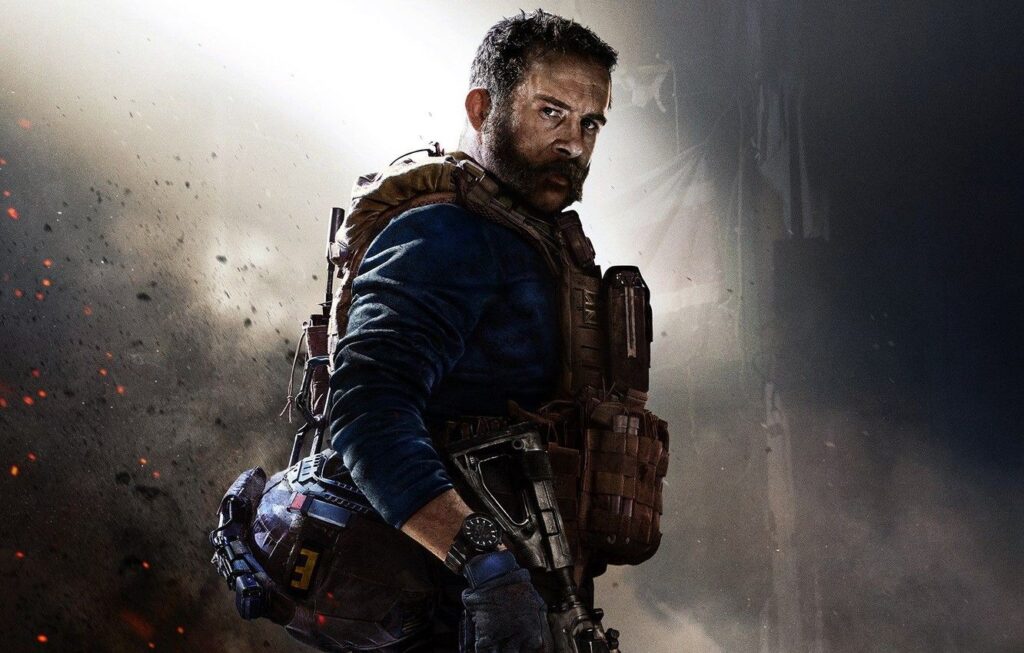
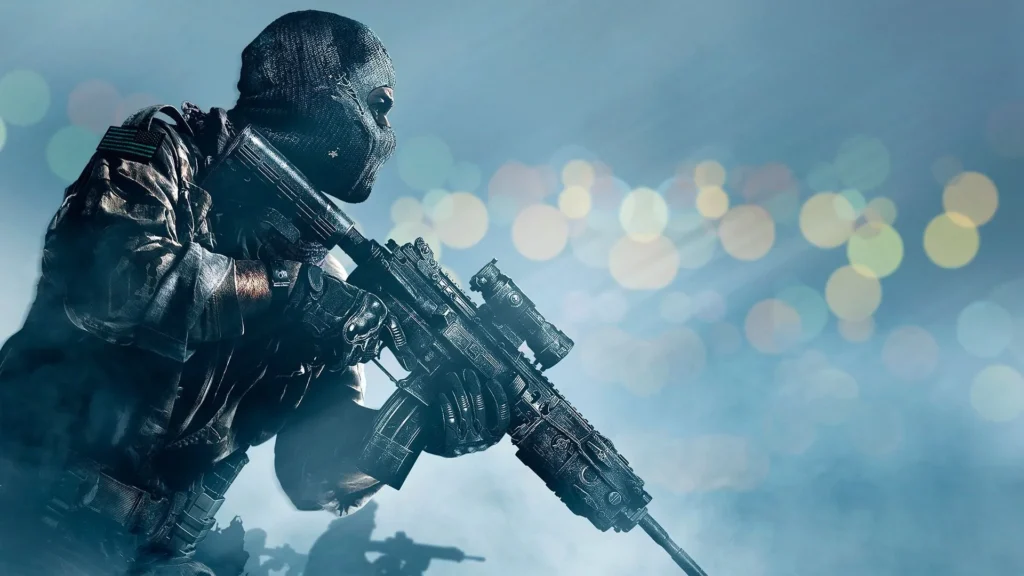
Call of Duty (2003)
Developed by Infinity Ward, Call of Duty quickly became a global phenomenon and one of the best-selling video game series of all time.
Guitar Hero (2005)
A cultural explosion that turned music-rhythm games into a mainstream sensation.
By the late 2000s, Activision was the world’s most powerful third-party publisher.
8. The Mega-Merger – Activision Blizzard (2008)
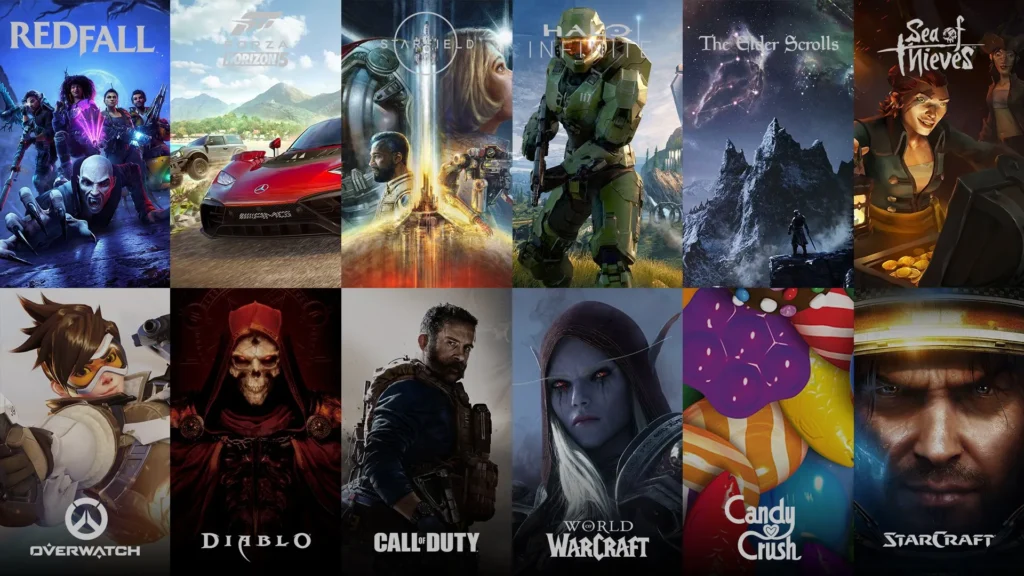
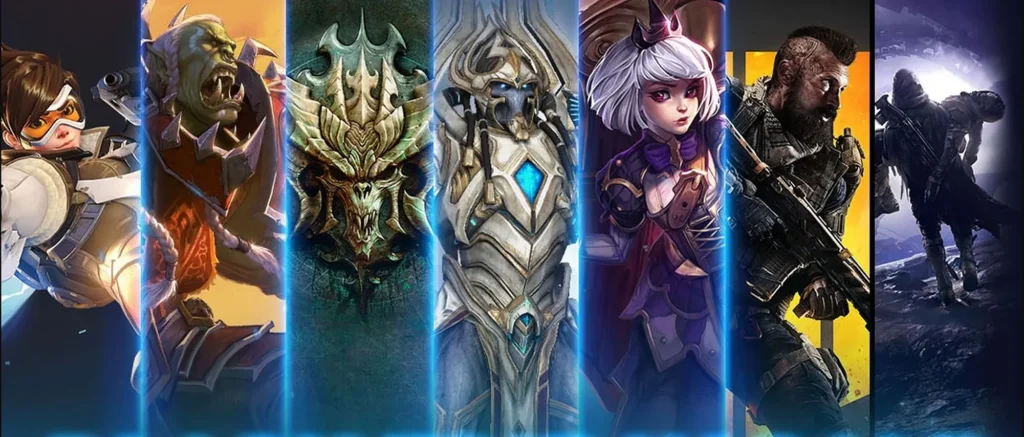
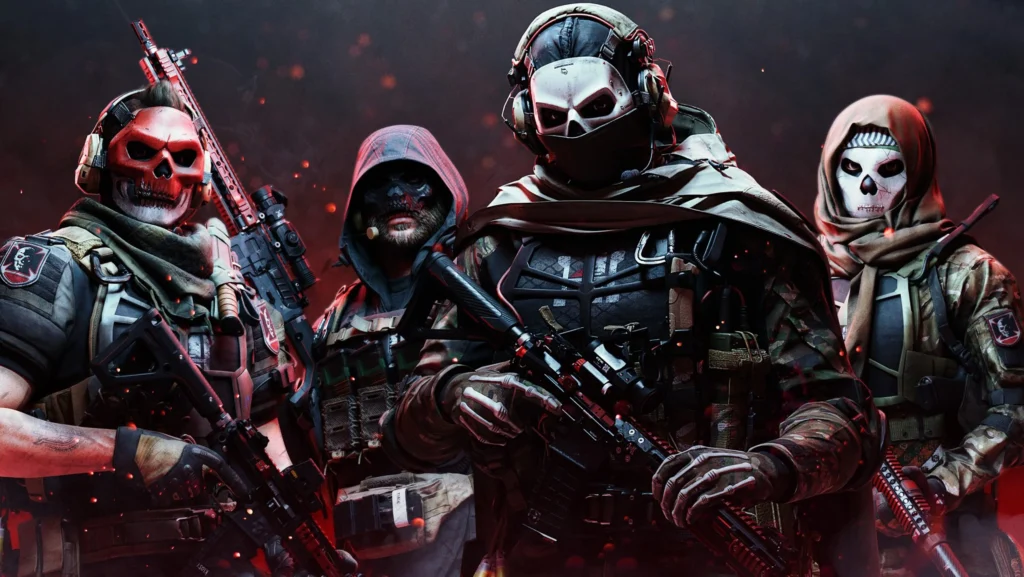
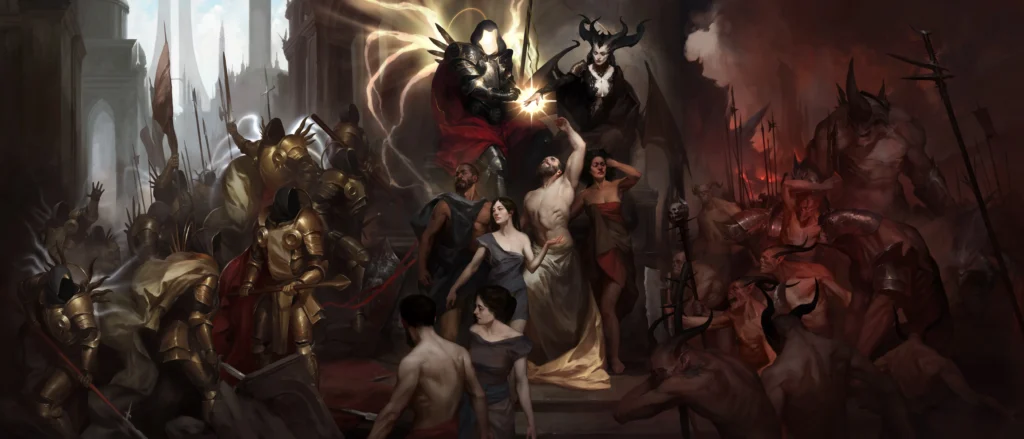
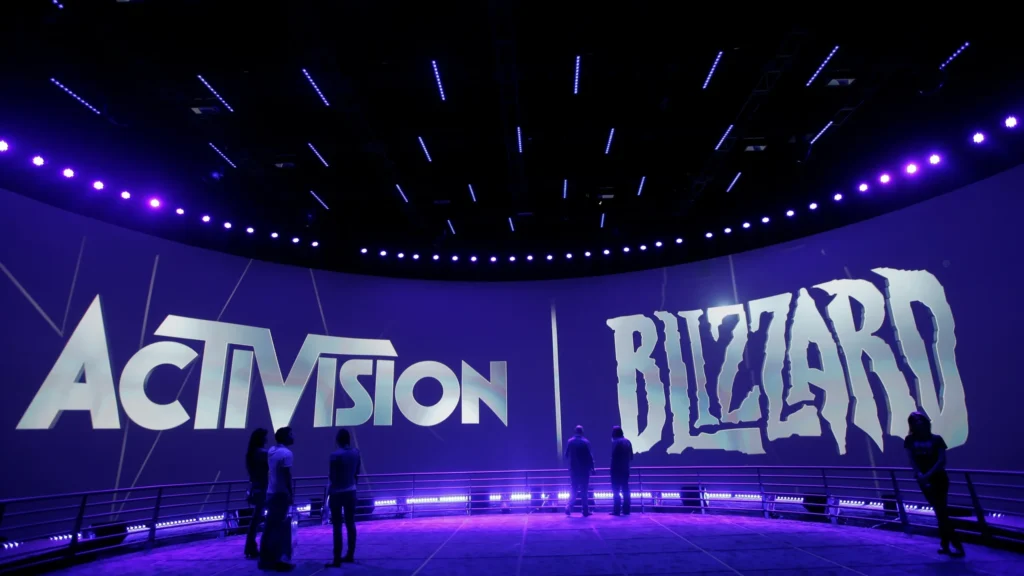
In 2008, Activision merged with Vivendi Games, the parent company of Blizzard Entertainment.
The result was Activision Blizzard, a titan combining:
- Call of Duty
- World of Warcraft
- Diablo
- StarCraft
- Overwatch
- Candy Crush (after acquiring King in 2016)
This merger created one of the most influential companies in gaming history.
9. The Modern Era – Esports, Mobile, and Global Expansion (2010-2020)
Activision Blizzard expanded aggressively:
- launched the Overwatch League, the first city-based esports league,
- brought Call of Duty to mobile with record-breaking success,
- continued to dominate the market with its global franchises.
The company became a powerhouse across PC, console, and mobile.
10. The Microsoft Acquisition – A Historic Turning Point (2023)
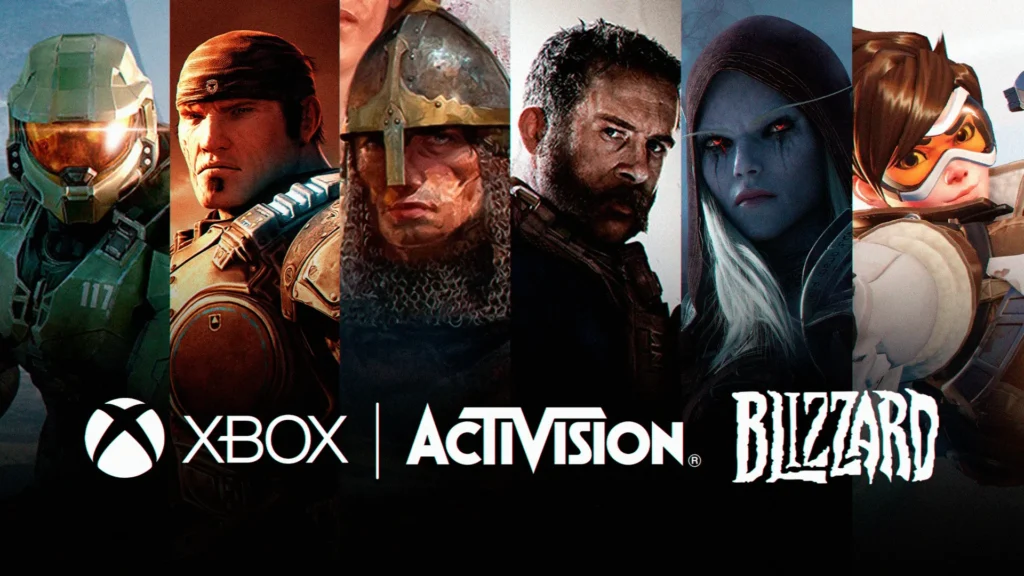
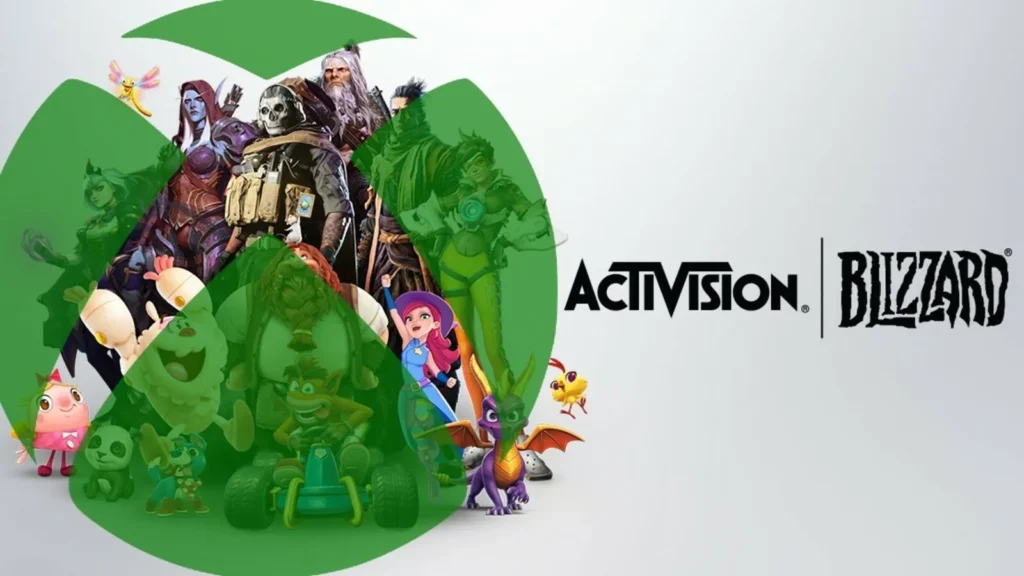
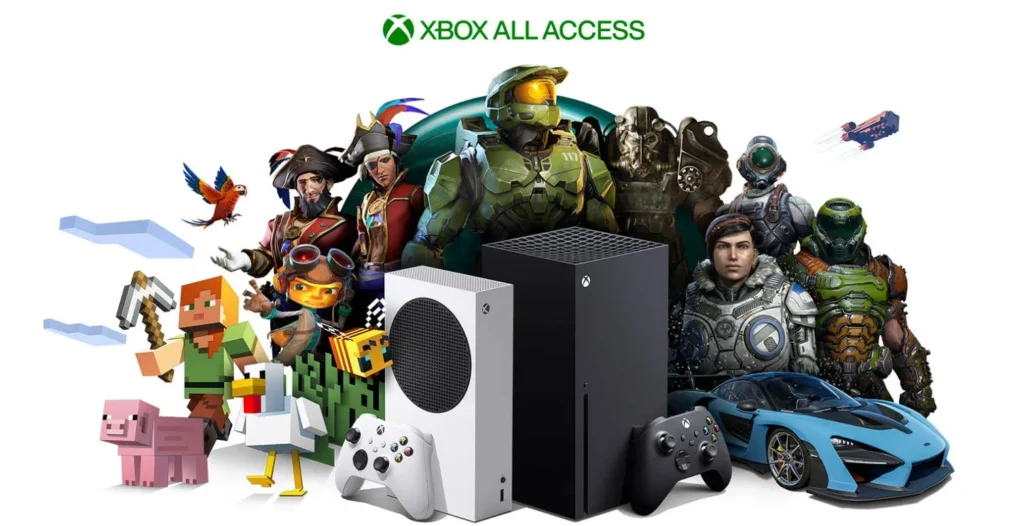
In 2022, Microsoft announced its intention to acquire Activision Blizzard for $68.7 billion, one of the largest deals in tech history.
The acquisition was completed in 2023, bringing Activision Blizzard into the Xbox ecosystem.
This moment marked the beginning of a new era for both companies and for the gaming industry as a whole.
★ Video Game Cultures: The Evolution of Gaming ★

Conclusion – Activision, the Company That Changed the Rules
From four frustrated developers in 1979 to a global powerhouse in 2023, Activision’s story is one of:
- creative rebellion,
- innovation,
- survival through crisis,
- building legendary franchises,
- reshaping the business of gaming.
Activision didn’t just make games.
It rewrote the rules of the industry.
Top 20 Activision Games
- Pitfall!
- River Raid
- Kaboom!
- Call of Duty
- Call of Duty 2
- Call of Duty 4: Modern Warfare
- Call of Duty: Black Ops
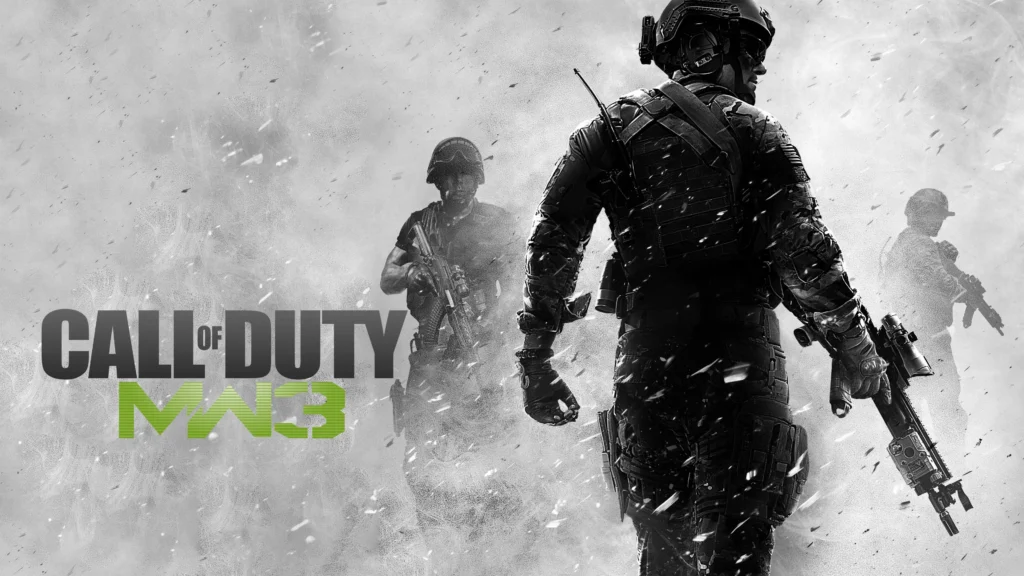
- Call of Duty: Modern Warfare 2
- Call of Duty: Warzone
- Tony Hawk’s Pro Skater
- Tony Hawk’s Pro Skater 2
- Guitar Hero
- Guitar Hero III: Legends of Rock
- Destiny
- Destiny 2
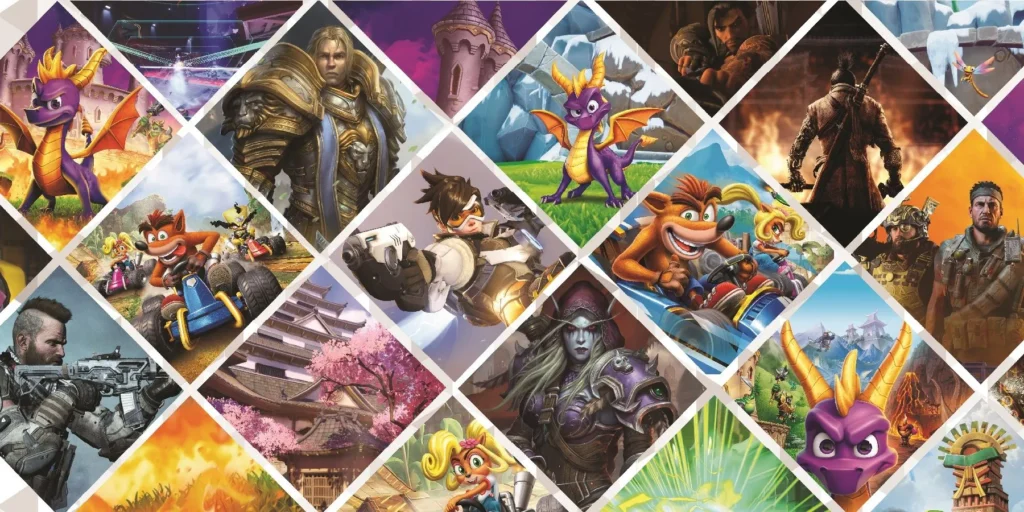
- Crash Bandicoot N. Sane Trilogy
- Spyro Reignited Trilogy
- Sekiro: Shadows Die Twice
- Prototype
- Skylanders: Spyro’s Adventure
Latest Posts
Zombie Assault: Resurgence
Call of Duty®: Modern Warfare® 4 Review – Warfare Without Limits
PAPERHEAD
Castlevania: Belmont’s Curse

PlayStation 6: Release Date, Price Predictions, Specs and Everything We Know So Far
Tenebris Somnia
WARDOGS